

How Myopia Control Can Reduce Future Risk of Eye Disease
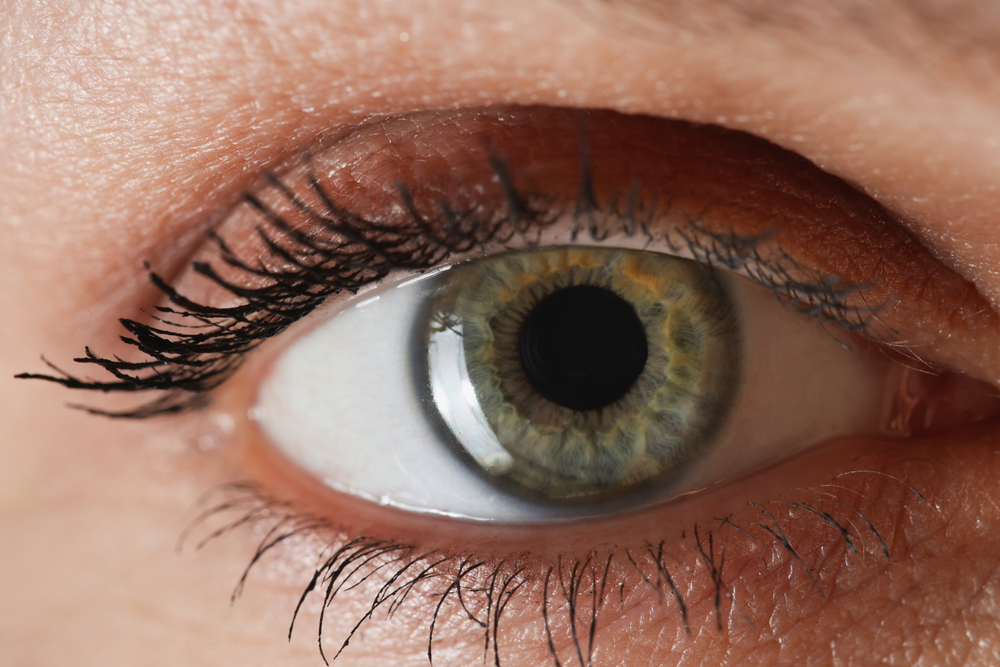
Clear vision is only one part of managing myopia. If nearsightedness continues to worsen over time, it may raise the risk of eye disease in the future. With early myopia control, including options like Ortho-K, we can take a more proactive approach to protecting long-term vision and eye health.
Why Progressive Myopia Is a Concern
When myopia worsens, the eye grows too long. That extra stretching can place more stress on important structures inside the eye. While glasses can sharpen vision, they do not slow the progression of myopia. That is why myopia control is about more than helping a child see the board at school - it is about reducing future risk and supporting healthier eyes as they grow.
The Link Between Myopia and Eye Disease
Higher levels of myopia are associated with a greater chance of developing serious eye conditions later in life. These may include retinal problems, glaucoma, and myopic maculopathy. Early intervention can make a meaningful difference by slowing how quickly myopia progresses during childhood, which may lower the overall risk profile in adulthood.
Why Early Treatment Is Important
Myopia can begin as early as age 3, and younger children often progress faster. Because children may not realize their distance vision is blurry, regular pediatric eye exams are important for early detection. Starting myopia control early gives us more opportunity to manage progression before it reaches higher levels.
Myopia Control Options We May Recommend
At The Eye Studio, we tailor treatment to each child’s needs. Options may include:
• Ortho-K lenses worn overnight to gently reshape the cornea and provide clear daytime vision
• MiSight 1 day soft contact lenses designed to slow myopia progression
• Low-dose atropine eye drops used nightly
• Soft multifocal contact lenses for select children
Ortho-K can be an especially appealing option for active kids who want freedom from daytime glasses or contacts. The key is choosing the approach that fits your child’s eyes, lifestyle, and stage of progression.
Monitoring Helps Us Stay Ahead
Myopia control is not a one-time fix. Ongoing monitoring allows us to track changes and adjust treatment when needed. Our practice measures axial length, which adds another layer of insight when evaluating progression and long-term risk. That kind of close follow-up helps us make more informed decisions about your child’s care.
If you are concerned about worsening nearsightedness, schedule a pediatric eye exam at The Eye Studio to learn more about myopia management options. Visit our office in Portland, Oregon, or call (503) 219-0023 to book an appointment today.

Office Hours
- Monday 9:00am - 6:00pm
- Tuesday 9:00am - 6:00pm
- Wednesday 9:00am - 6:00pm
- Thursday 9:00am - 6:00pm
- Friday 9:00am - 6:00pm
- Saturday 9:00am - 4:00pm(First Sat of Month)
- Sunday Closed
Powered by
